



US Judge Blocks Kroger-Albertsons Mega-Merger in Victory for Consumers
- Dec. 11, 2024
- FMCG HORECA BUSINESS
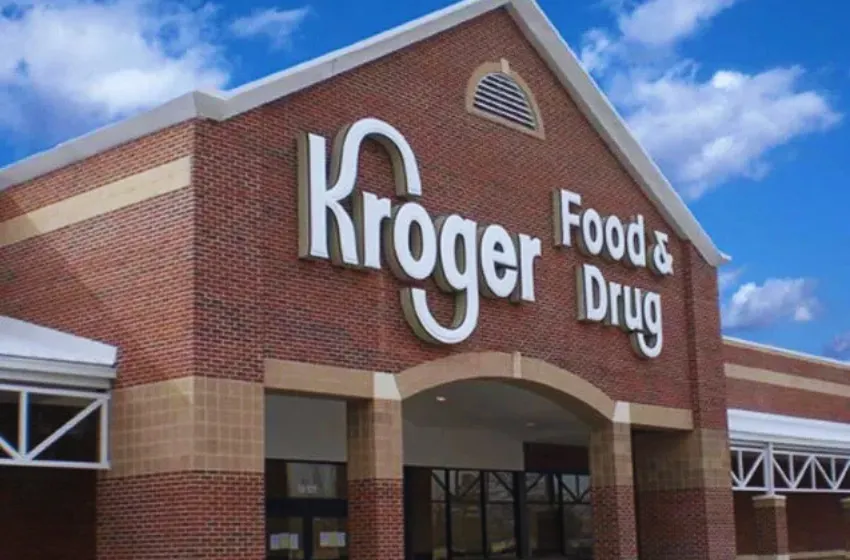
In a landmark decision, a US judge has temporarily blocked the $24.6 billion acquisition of supermarket giant Kroger by rival chain Albertsons, a move that represents a significant victory for the Federal Trade Commission (FTC) and consumers. This ruling puts a halt to what was set to be one of the largest retail grocery deals in US history and comes after a three-week trial in Portland, Oregon.
The Impact of the Block
The court’s decision is a critical blow to the proposed merger, which was initially seen as a way for both companies to save costs and increase efficiency. However, the FTC argued that the deal would harm consumers by reducing competition and driving up grocery prices. The FTC has been vocal in its opposition, stating that the merger would lead to higher prices for essential items such as food and household goods, which millions of Americans rely on.
In a court filing, US District Judge Adrienne Watson issued the preliminary injunction, stating that “Plaintiffs are likely to succeed on the merits and the equities weigh in favor of an injunction.” This order does not permanently end the deal, but it delays the acquisition as the legal proceedings continue.
FTC’s Stance: Protecting Consumers
The FTC’s primary concern in this case was the potential for increased grocery prices if Kroger and Albertsons merged. The agency argued that the merger would give the combined company too much market power, ultimately reducing choices and driving up costs for consumers. FTC spokesperson Douglas Farrar expressed relief following the ruling, stating, “Today’s win protects competition in the grocery market, which will prevent prices from rising even more.”
Farrar also pointed out that this decision highlights the importance of strong antitrust enforcement, which plays a crucial role in protecting consumers, workers, and small businesses from potentially harmful corporate consolidations.
The Companies’ Argument and Judge’s Rejection
Kroger and Albertsons had argued that the merger would result in significant cost savings, which they claimed could be passed on to consumers through lower prices. However, Judge Watson rejected these claims, stating they were neither “merger-specific nor verifiable.” This is a critical part of the ruling, as it shows that the court found the companies' promises to be speculative and unsubstantiated.
The judge's decision also emphasized that the proposed merger could cause substantial harm to competition in the grocery sector, which is already facing challenges in terms of price inflation and limited options for consumers.
Biden Administration’s Support for the Ruling
Following the decision, the Biden administration praised the judge’s ruling. Jon Donenberg, Deputy Director of the National Economic Council, stated, “The Kroger-Albertsons merger would have been the biggest supermarket merger in history, raising grocery prices for consumers and lowering wages for workers.” Donenberg went on to commend the administration’s stance on protecting consumers and workers from big corporate mergers that could hurt the economy, raise prices, and undermine small businesses.
What’s Next for the Kroger-Albertsons Deal?
While the decision to temporarily block the merger is a significant win for the FTC, it is far from the final word on the matter. The legal battle will continue as both companies seek to convince the court that their merger should be allowed to proceed. However, with the judge’s ruling pointing to likely success for the FTC’s arguments, the companies may face a tough road ahead in trying to secure approval for the deal.
For now, the future of the merger is uncertain, but one thing is clear: consumers, workers, and small businesses stand to benefit from increased competition in the grocery market.