





US FDA Proposes Front-of-Package Nutrition Labels to Help Consumers Make Healthier Choices
- Jan. 11, 2025
- FMCG HORECA BUSINESS
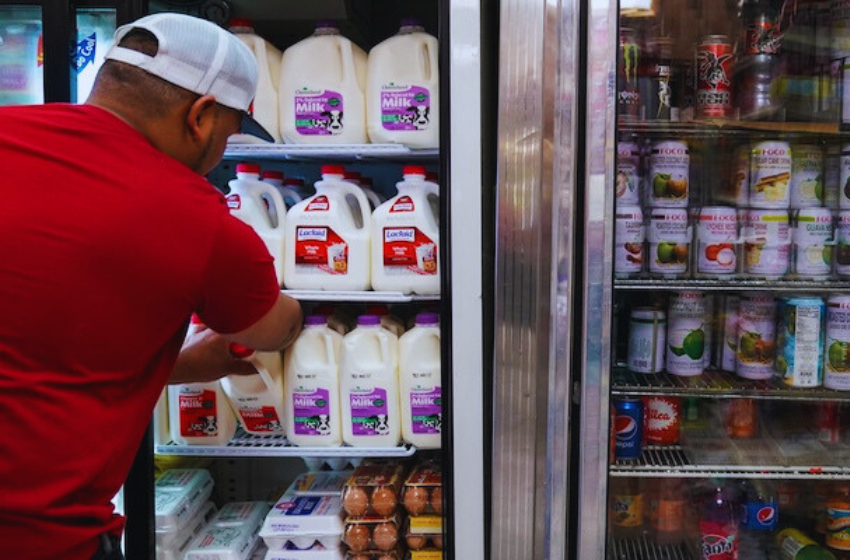
In a significant move aimed at improving public health, the U.S. Food and Drug Administration (FDA) has proposed a new rule requiring food companies to display nutrition labels on the front of packaged products. This initiative, introduced on Tuesday, is part of a broader effort under the outgoing Biden administration to help Americans make more informed decisions about their food choices, particularly as the country grapples with a growing chronic disease crisis, including diabetes, heart disease, and obesity.
Making Nutrition Information More Accessible
The proposed rule would require clear and visible labeling of key nutrients on the front of food packages, including saturated fat, sodium, and added sugars. These are nutrients that, when consumed in excess, are directly linked to chronic diseases. The labels would categorize the content of these nutrients as "low," "medium," or "high," allowing consumers to quickly assess whether a product aligns with their dietary needs.
The move is in response to growing concerns about the health impact of the American food supply and comes after the World Health Organization (WHO) recommended that packaged food and beverages feature easy-to-read nutritional information on the front of products in its draft guidelines in October.
Global Trends in Nutrition Labeling
The U.S. proposal aligns with similar efforts in countries like Australia, Belgium, Chile, France, and Italy, where front-of-package labeling is either mandatory or voluntary for food companies. These countries have already recognized the benefits of providing consumers with quick, accessible nutritional information to promote healthier eating habits.
“Nearly everyone knows or cares for someone with a chronic disease that is due, in part, to the food we eat. It is time we make it easier for consumers to glance, grab and go,” said FDA Commissioner Robert Califf in support of the initiative.
Impact on Major Food Companies
If finalized, this proposal could have significant implications for major food companies such as PepsiCo, Kraft Heinz, and Hershey. These companies would need to update their packaging to include the new nutrition labels within three to four years, depending on their annual food sales. While this change may not be welcomed by all in the food industry, it is seen as a step toward greater accountability and transparency.
Eva Greenthal, senior policy scientist at the Center for Science in the Public Interest, emphasized that this move is long overdue: “Big food companies won’t be jazzed for this proposal, but it’s about time they be held accountable for honest marketing and improving the U.S. food supply.”
Potential for Reformulation of Products
The FDA also suggested that the new labeling requirement could encourage food manufacturers to reformulate their products to reduce the levels of unhealthy ingredients, such as saturated fats, sodium, and added sugars. This could lead to healthier options for consumers in the long term, contributing to the fight against the country’s obesity and chronic disease epidemics.
Rebecca Buckner, an FDA executive, highlighted the potential positive impact of the rule: “It is possible that manufacturers may reformulate products to be lower in saturated fat, sodium and added sugars, making them healthier.”
Criticism and Support for the Proposal
While the proposal has garnered support from health advocates, not everyone is satisfied with the FDA’s approach. U.S. Senator Bernie Sanders, a longtime advocate for stronger food regulations, criticized the proposal for not going far enough in warning consumers about the dangers of unhealthy products. He has indicated plans to reintroduce legislation that would require the food and beverage industry to place stronger warning labels on their products and ban junk food advertisements targeted at children.
The FDA’s move follows growing public concern over the obesity epidemic and the regulation of the food and beverage industry. It remains to be seen how the final rule will unfold and whether it will spark further changes to the way food companies market their products.
What’s Next?
The proposed rule is still in the early stages, and food manufacturers have a few years to comply if it is finalized. As the public continues to demand healthier options, the FDA’s move to introduce clearer and more visible nutrition labels is a step toward empowering consumers to make better food choices. With support from health experts and advocates, this initiative could play a significant role in improving the overall health of the nation in the years to come.
Stay tuned for updates as this proposal moves through the regulatory process, and keep an eye on the food industry as it adjusts to these new guidelines.