





US FDA Bans Red 3 Dye in Foods: What You Need to Know
- Jan. 16, 2025
- FMCG HORECA BUSINESS
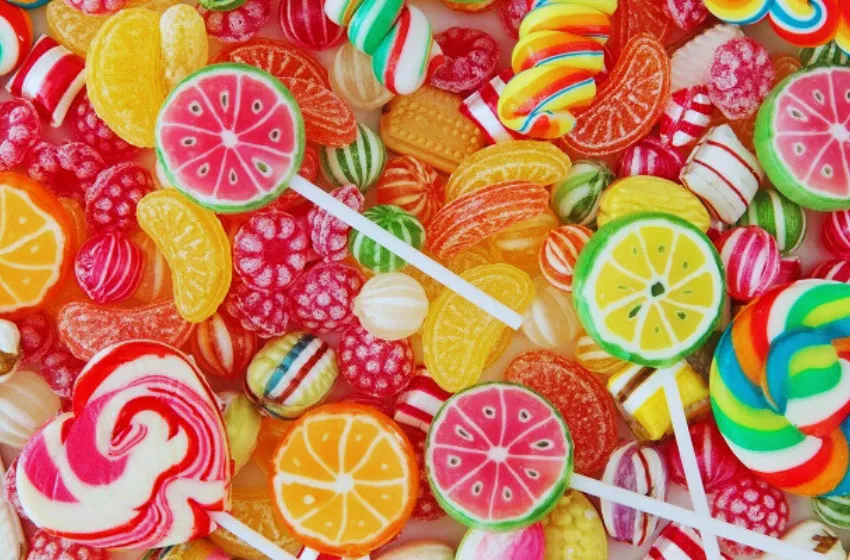
In a significant move to protect public health, the US Food and Drug Administration (FDA) has officially banned the use of Red 3 dye in food products due to concerns over potential cancer risks. This decision, which removes the dye from the list of approved color additives in foods, dietary supplements, and oral medicines, has been met with mixed reactions, as it follows years of pressure from health advocates and studies highlighting the risks associated with the dye.
What Is Red 3 Dye and Why Is It Being Banned?
Red 3, also known as erythrosine or FD&C Red No. 3, is a synthetic dye commonly used to color foods, candies, cosmetics, and medicines. While Red 3 has been used for decades, studies conducted on lab rats revealed that the dye may cause cancer in animals, which led to growing concerns about its safety for human consumption.
Though no direct evidence exists suggesting that Red 3 causes cancer in humans, the FDA’s decision reflects a precautionary approach to public health based on animal studies. As part of the ban, food manufacturers have until January 2027 to remove Red 3 from their products, while drug makers have until January 2028 to comply. Additionally, all imported foods must also adhere to the new regulations.
Legal Challenges Ahead?
Despite the FDA’s decision, the ban may face legal challenges from food manufacturers who argue that there is insufficient evidence to show that Red 3 poses a cancer risk to humans. The International Association of Color Manufacturers (IACM), for example, has defended the dye, asserting that scientific research conducted by the UN and the World Health Organization (WHO) supports its safety at typical consumption levels.
The controversy centers on whether the animal studies are enough to justify removing the dye from foods consumed by humans. While the dye has been shown to cause cancer in lab rats, the FDA concluded that the risk to humans remains unclear, leading to uncertainty in the food industry.
Red 3’s Long History of Controversy
This is not the first time Red 3 has faced restrictions. In fact, the dye has already been banned in cosmetics and externally applied drugs since 1990 due to safety concerns. Furthermore, many countries have already banned Red 3 in food products, including Europe, Australia, and New Zealand, although there are some exceptions, such as its use in certain types of cherries.
In the US, California has also announced plans to ban Red 3 in food products starting in January 2027, aligning with the FDA’s timeline for food manufacturers to comply with the new regulations.
Reactions to the Ban
Health advocates, who have been calling for a ban on Red 3 for years, have largely praised the FDA’s decision. Many consumer safety organizations believe that removing potentially harmful chemicals from food products is an important step in ensuring public health and safety. They argue that even though the risk to humans may be minimal, it’s better to err on the side of caution.
On the other hand, food industry groups are likely to push back on the ruling. While there is no immediate threat to food manufacturers, the long-term implications of the ban could lead to reformulations of popular food products that currently use Red 3 to achieve their vibrant color.
What Does This Mean for Consumers?
For now, the removal of Red 3 from food products will have little immediate impact on consumers, but it marks a significant shift in how the FDA evaluates food additives. As food manufacturers work to comply with the new ban, shoppers may see some products undergo changes in color, as companies seek alternative colorants that meet safety standards.
While the Red 3 ban is a win for health advocates, it also highlights the ongoing debate between industry groups and regulatory bodies about what constitutes acceptable levels of risk in food products. As more research is conducted, it’s likely that we’ll see more regulations and bans related to food additives in the future.
Final Thoughts
The FDA’s ban on Red 3 dye in foods is a reflection of increasing concern over the safety of artificial additives and the potential long-term health risks they pose. While there is no definitive evidence of harm to humans, the ban serves as a reminder of the importance of ongoing vigilance when it comes to food safety.
As the ban takes effect in 2027, it will be interesting to see how the food industry adapts and whether other food additives may face similar scrutiny in the years to come. For now, consumers can rest assured that the government is taking steps to reduce exposure to potentially harmful substances in the food supply.
For more information on the FDA’s latest decision and how it impacts food products, stay tuned for updates.