




UAE Targets Dh450 Billion Investment in Hotel Industry Over 7 Years
- Dec. 14, 2024
- FMCG HORECA BUSINESS
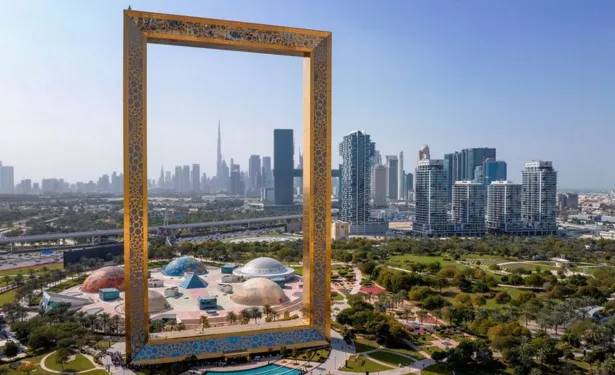
The UAE’s hospitality and tourism sector is poised for a massive expansion, with plans to significantly boost its contribution to the national economy. As part of its vision to make tourism a key pillar of the nation's growth, the UAE aims to attract over Dh450 billion in investments within the hotel industry over the next seven years. The country is targeting an ambitious goal: to raise the sector’s contribution to the GDP from 11.7% in 2023 to 16% by 2031. This would equate to Dh220 billion in 2023, with projections continuing to soar in the coming years.
Key Goals for the UAE’s Hospitality Industry
During the Future Hospitality Summit in Dubai, Abdulla bin Touq Al Marri, UAE’s Minister of Economy, outlined these lofty targets. With the first half of 2023 already showing impressive tourism statistics—73 million visitors passed through UAE airports, and the country has over 1,200 hotels with an 80% occupancy rate—Al Marri highlighted the UAE's growing role as a major global tourism hub. The nation’s commitment to safety and security, even amid regional tensions, remains one of the key factors driving its tourism success.
“We are in the eye of the storm, but we have the highest safety and security protocols. And everyone knows that about us. Our numbers speak for themselves,” Al Marri remarked, underscoring the UAE’s appeal in a tumultuous region.
A Diverse and Expanding Hospitality Sector
To meet its targets, the UAE plans to focus on significantly increasing the number of hotel rooms available and diversifying its offerings. One of the key areas of expansion is wellness and medical tourism, which are expected to draw in more visitors and contribute to lengthening their stay. The average length of stay for visitors in the UAE is currently around 3.5 to 3.6 nights, but the goal is to increase this to 7-8 nights per visit.
Al Marri emphasized the UAE’s strategy of tapping into the unique advantages of each Emirate. “Each Emirate, from Fujairah to Abu Dhabi, has a different competitive advantage to offer,” he said. The vision is for tourists to experience multiple Emirates on one trip, such as enjoying breakfast in Fujairah and lunch in Dubai, providing a seamless and diverse travel experience.
Tourism Competition from Saudi Arabia
With the rapid growth of Saudi Arabia’s tourism sector, there is a potential for competition, but Al Marri is confident that the UAE has a distinct advantage. Currently, 60% of the UAE’s tourism is international, while 40% is domestic. However, the UAE is focusing efforts on balancing this split to 50-50 by promoting domestic tourism.
The success of domestic campaigns, like the “Coolest Winter in the World,” which has run for four consecutive years, highlights the growing demand for local tourism. Al Marri also pointed to initiatives like Fujairah’s Dibba Bay Oysters, a local business with global export reach, as examples of how domestic tourism is contributing to the country’s economic growth.
Growing the Tourism Workforce
A key part of the UAE’s strategy to expand its hospitality and tourism sector is increasing the workforce. The tourism industry currently employs around 800,000 people, or roughly 12% of the national workforce. Al Marri pointed out that encouraging more UAE nationals to enter the tourism sector is a priority, with initiatives like the Nafis program offering salary incentives and pension plans.
With a global shortage of talent in the tourism sector, the UAE is collaborating with international organizations, such as the United Nations, to develop educational toolkits and make the industry more appealing to young talent.
Looking Ahead: A Bright Future for UAE Tourism
The UAE is firmly positioning itself as a global leader in hospitality and tourism. With an eye toward boosting investments, expanding tourism offerings, and cultivating local talent, the nation is on track to achieve its ambitious goals. By 2031, the UAE aims to become an even more attractive destination, providing a mix of cultural, wellness, and adventure tourism experiences that appeal to travelers from all over the world.
As these developments unfold, it’s clear that the UAE’s hospitality and tourism sector is set to thrive, creating new opportunities for both local and international investors, businesses, and workers in the years to come.