





South Australia to Ban Junk Food Ads on Public Transport to Combat Obesity
- Jan. 9, 2025
- FMCG HORECA BUSINESS
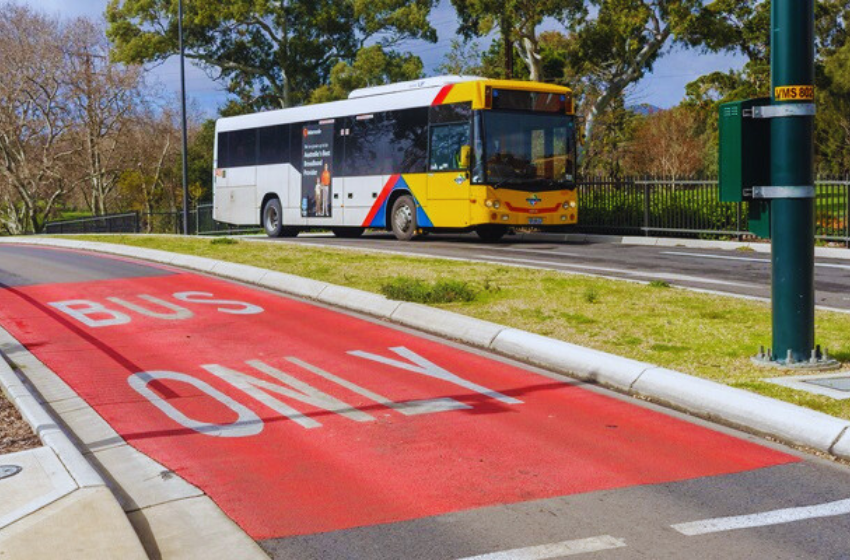
South Australia is taking a bold step in the fight against rising obesity rates with a new policy set to ban junk food advertisements on public transport across the state. Starting July 1, advertisements promoting unhealthy food and drinks—such as chocolate, candies, soft drinks, chips, and ice cream—will no longer be allowed on Adelaide Metro’s buses, trains, and trams.
This move comes in response to the growing concerns surrounding obesity, particularly among children, in South Australia. Chris Picton, the South Australian Minister for Health and Wellbeing, emphasized that the new policy is part of a broader effort to curb the influence of unhealthy food advertising and reduce the state’s obesity rates.
Addressing the Obesity Crisis
The statistics on obesity in South Australia are alarming. Currently, around 63.1% of adults and 35.2% of children in the state are either overweight or obese. These numbers are only expected to grow, with projections indicating an increase of 1,900 overweight children and 48,000 adults over the next five years. Without significant intervention, a recent study commissioned by Preventive Health SA predicts that life expectancy for children born in 2023 could be reduced by as much as seven months due to obesity-related health issues.
The South Australian government is hoping that this new advertising ban will help tackle these concerning trends by reducing children's exposure to junk food marketing. Research has shown that consistent exposure to these advertisements significantly influences children’s food preferences and, in turn, their eating habits. The policy also acknowledges the powerful “pester power” children often use to persuade parents to purchase unhealthy products.
Global Influence: Following in the Footsteps of Other Cities
South Australia’s decision to ban junk food ads follows similar actions taken in other parts of the world. Cities like London, Amsterdam, and Australia’s own ACT (Australian Capital Territory) have already implemented similar bans, recognizing the importance of reducing the public visibility of unhealthy food products to curb obesity rates and promote healthier eating.
The Cancer Council has welcomed the ban, highlighting its importance in the fight against cancer. By influencing children’s nutrition preferences early on, the policy lays the groundwork for better overall health outcomes and cancer prevention. Encouraging healthier eating habits from a young age is crucial in the battle against chronic diseases such as obesity-related cancers.
Positive Steps Toward a Healthier Future
The ban on junk food advertising on public transport represents an important shift in South Australia’s public health policy. By limiting the exposure of unhealthy food and drink ads, particularly to children, the government is hoping to foster healthier lifestyles and reduce the burden of obesity-related diseases on the healthcare system.
This move aligns with global efforts to tackle obesity and its associated health risks. With its evidence-based approach and focus on reducing harmful advertising, South Australia is taking proactive steps toward a healthier future for its citizens. If successful, this initiative could serve as a model for other regions to follow in the fight against childhood obesity and related health issues.
As South Australia moves forward with this ban, it’s clear that public health and wellbeing are top priorities, and this policy is just one of the many steps being taken to create a healthier environment for future generations. Stay tuned for updates as the ban comes into effect and watch for potential similar initiatives in other states and countries around the world.