





Plant-Based and Alternative Proteins: The Future of Catering Menus
- Dec. 4, 2024
- FMCG HORECA BUSINESS
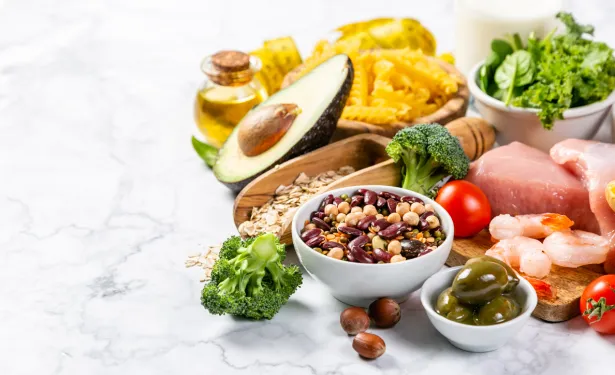
As the demand for healthier and more sustainable dining options grows, the catering industry is undergoing a significant transformation. One of the most exciting changes is the increasing popularity of plant-based and alternative proteins. These innovative ingredients not only cater to growing dietary preferences but also align with the shift towards more environmentally conscious and health-focused dining experiences. Let’s explore how catering businesses are embracing these proteins and why they are becoming essential components of modern menus.
1. The Rise of Plant-Based Diets
The plant-based movement is no longer just a trend; it’s a lifestyle choice for many consumers. Whether motivated by health, environmental concerns, or ethical reasons, more people are opting for plant-based foods that exclude meat and animal products. According to studies, the global plant-based food market is growing rapidly, with more people choosing to reduce their meat consumption or adopt a fully plant-based diet.
For catering companies, this means offering diverse and flavorful alternatives to traditional meat options. Plant-based proteins, such as legumes, tofu, tempeh, seitan, and jackfruit, are taking center stage in catering menus. These ingredients not only provide the texture and taste many consumers desire but also offer significant health benefits, such as lower cholesterol and a reduced risk of chronic diseases like heart disease and diabetes.
2. Alternative Protein Sources: Beyond Beans and Tofu
While plant-based proteins like beans, tofu, and tempeh have long been staples in vegetarian and vegan dishes, the catering industry is now exploring a wider range of innovative protein alternatives. Here are a few of the most popular alternative proteins making their way into catering menus:
-
Pea Protein: Used in many plant-based meat products, such as Beyond Meat and Impossible Foods, pea protein is a high-quality source of protein that mimics the texture of meat. It is often used in burgers, sausages, and meatballs.
-
Mycoprotein (Quorn): This protein, derived from fungi, is an excellent meat substitute. It has a similar texture to meat and is rich in fiber, making it a great option for catering events looking to provide hearty, flavorful dishes.
-
Jackfruit: Known for its ability to mimic the texture of pulled pork or chicken, jackfruit is an excellent alternative for catering companies looking to offer savory, meat-like dishes in vegan and vegetarian options.
-
Lentils and Chickpeas: Packed with protein and fiber, lentils and chickpeas are becoming popular in soups, salads, and stews. Their versatility makes them perfect for creating satisfying and nutritious dishes.
3. Sustainability Benefits of Alternative Proteins
The environmental impact of animal agriculture is well-documented, with livestock production contributing significantly to greenhouse gas emissions, deforestation, and water pollution. Plant-based and alternative proteins, however, have a much smaller environmental footprint. For example, producing plant-based proteins requires fewer resources like water and land, and it produces less carbon dioxide compared to animal farming.
Catering companies that incorporate plant-based and alternative proteins into their menus are not only meeting consumer demand but are also playing a role in reducing the environmental impact of their operations. This commitment to sustainability can be a key selling point for eco-conscious clients who want to minimize their environmental footprint during events, weddings, or corporate functions.
4. Appealing to Diverse Diets and Preferences
Catering to diverse dietary needs is essential for modern catering businesses. Whether it's for a wedding, corporate event, or private party, clients are increasingly requesting menus that include options for vegans, vegetarians, and those with food allergies. Plant-based and alternative proteins make it easier to create inclusive menus that satisfy a wide range of dietary preferences.
-
Vegan and Vegetarian Options: Plant-based proteins allow catering companies to offer delicious and creative dishes that cater to vegan and vegetarian guests. From creamy lentil soups to jackfruit tacos or seitan stir-fries, the possibilities are endless.
-
Gluten-Free Choices: Many plant-based proteins, such as chickpeas, quinoa, and lentils, are naturally gluten-free, making it easier to accommodate guests with gluten sensitivities.
-
Health-Conscious Options: Plant-based proteins are often lower in fat and calories than their animal counterparts, making them an excellent choice for health-conscious clients. Offering protein-packed salads, bowls, and wraps can appeal to guests looking for lighter, more nutritious meals.
5. Incorporating Plant-Based Proteins into Event Menus
Catering companies are getting creative with plant-based and alternative proteins, incorporating them into a wide range of dishes that go beyond the typical "vegan" or "vegetarian" options. Here are some popular ways these proteins are being used in catering menus:
-
Plant-Based Mains: Instead of traditional meat-centered dishes, plant-based catering options include creative mains like lentil shepherd’s pie, cauliflower steaks, jackfruit tacos, or mushroom risotto.
-
Protein-Packed Appetizers: Vegan protein options like falafel, chickpea hummus, and tofu skewers are perfect appetizers for events. They can be served with fresh vegetables, pita bread, or grain-based salads.
-
Vegan Desserts: Even dessert menus are being revolutionized by plant-based ingredients. Vegan chocolate mousse, dairy-free cheesecake, and fruit and nut bars are just a few examples of how plant-based ingredients can make their way into sweet treats.
-
Salads and Bowls: Grain bowls, quinoa salads, and chickpea bowls can be enhanced with plant-based proteins, creating hearty, satisfying dishes that guests will love.
6. The Future of Catering: Embracing Plant-Based Innovation
The demand for plant-based and alternative protein dishes is expected to continue rising in the coming years. As catering businesses adapt to these dietary shifts, they are becoming more innovative in their approach to food. From exploring new protein sources to creating vibrant, plant-filled menus, the catering industry is embracing a future that prioritizes health, sustainability, and inclusivity.
For catering businesses, adopting plant-based and alternative proteins isn’t just a way to stay relevant—it’s an opportunity to lead the charge in creating delicious, environmentally friendly meals that cater to the diverse needs of today’s consumers. As the world becomes more conscious of its dietary choices, plant-based catering will continue to thrive, making it easier for everyone to enjoy good food, with a positive impact on their health and the planet.