




Nestlé Announces $30 Million Upgrade to KitKat Factory for Innovation and Efficiency
- Feb. 12, 2025
- FMCG HORECA BUSINESS
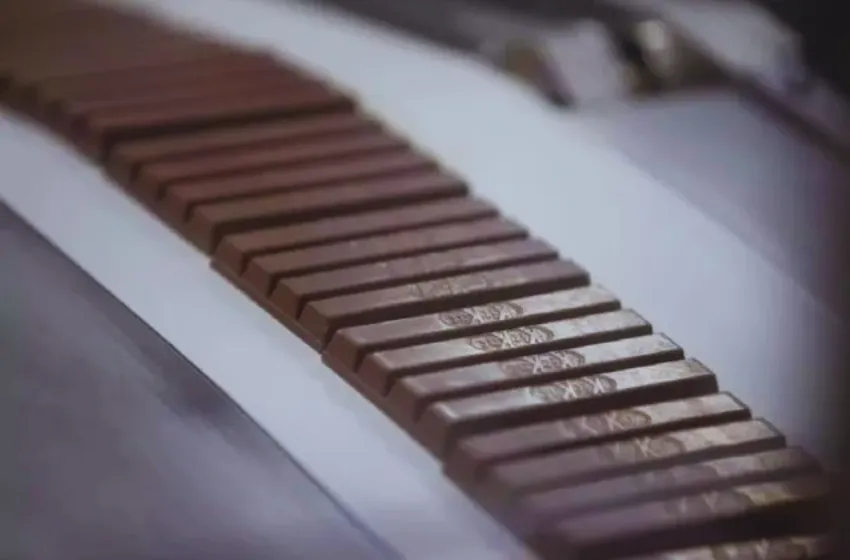
Nestlé Australia is making a significant investment in its future, with a $30 million upgrade to its KitKat production facility in Campbellfield, Victoria. This move underscores the company’s dedication to improving both the quality and production capabilities of its beloved KitKat range. The investment will bring new digital and AI-driven technologies to the factory, marking a bold step toward enhancing production efficiency, product innovation, and overall quality.
Investing in the Future of KitKat
The upgrade at the Campbellfield factory is designed to make KitKat’s iconic wafer even better. According to Andrew Lawrey, the General Manager of Confectionery at Nestlé, the move aligns with the company’s commitment to local manufacturing and responding to growing consumer demand.
“Our goal is to continually innovate, and this new technology will allow us to create exciting new flavours, fillings, and textures, providing fans with the KitKat experience they love in new ways,” said Lawrey. The new capabilities will not only enhance the quality of the product but also open doors for creating a wider variety of KitKat options to keep up with consumer tastes and trends.
What’s New at the Factory?
One of the most notable features of the upgrade is the installation of a new wafer oven that will improve the consistency and quality of KitKat’s wafer, ensuring it meets the brand's signature "crispier" and more consistent snap. The iconic break of a KitKat bar is something fans worldwide recognize and love, and the company is ensuring that every KitKat bar lives up to that expectation.
However, the upgrade isn’t just about enhancing product quality. It will also bring a slight change to the weight of the KitKat 4 Finger bar, reducing it from 45g to 42g due to smaller moulds that are now compatible with the new technology. While this might be a small change for consumers, it is a strategic decision designed to maximize production efficiency.
Automation for a Safer, More Efficient Factory
In addition to improving product quality, the upgrade will bring significant advancements in automation. The introduction of automated systems will reduce the need for manual handling, ultimately enhancing workplace safety and reducing potential risks to workers. The automation also supports Nestlé’s goal of reducing food and packaging waste, which contributes to more sustainable production practices.
“We are committed to the safety of our team. By investing in automation, we are not only improving efficiency but also minimizing manual tasks that could be hazardous,” said Lawrey. The focus on safety, alongside the environmental benefits, highlights Nestlé’s commitment to responsible production practices.
The New Era of KitKat Innovation
With these new innovations in place, Nestlé is already preparing to launch some exciting new products. One of the first to hit the shelves is the KitKat Neapolitan, which will be available to Australian consumers in January and to New Zealand consumers in February. The introduction of this new product will showcase the enhanced capabilities of the Campbellfield factory, giving consumers a new twist on the classic KitKat experience.
A Hub for Iconic Confectionery Brands
The Campbellfield factory, which employs over 400 people, is a hub for some of Nestlé's most popular brands, including Aero, Smarties, Milkybar, and Chokito. It also produces baking products under the Bakers’ Choice and Plaistowe labels. With the recent upgrades, the factory is now positioned to meet both local and global demand while maintaining Nestlé’s commitment to quality and innovation.
Nestlé’s $30 million investment reflects the company’s belief in local manufacturing as a cornerstone of its business. By embracing new technologies and focusing on product and process innovation, Nestlé is ensuring its ability to stay ahead of the curve in an increasingly competitive market.