





From Garlic to Parsley: The Herbs and Spices Australians Love Most
- Jan. 8, 2025
- FMCG HORECA BUSINESS
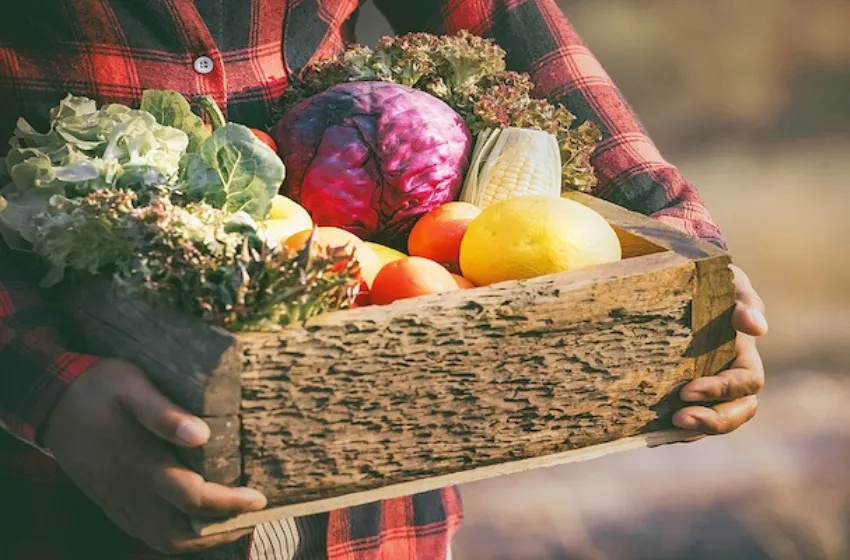
Herbs and spices have been essential in cooking for centuries. Beyond their ability to enhance the flavour, aroma, and colour of dishes, they’ve also been valued for their health benefits and ability to preserve food. In some cultures, garlic was even believed to ward off vampires! But there’s much more to these aromatic ingredients than just taste—they offer a wide array of vitamins, minerals, and antioxidants that are great for your health.
Health Benefits of Herbs and Spices
One of the biggest advantages of herbs and spices is their high antioxidant content. Antioxidants play a crucial role in reducing oxidative stress in the body, which can damage cells and tissues, potentially leading to chronic diseases like cancer and heart disease. Studies have shown that incorporating herbs and spices into your daily diet can lower blood pressure and reduce the risk of heart-related issues such as stroke and heart attacks.
Furthermore, these powerhouse ingredients help with managing weight and preventing inflammation, making them a great addition to any healthy diet.
In Australia, herbs and spices are recommended as a flavourful alternative to salt, which is typically overused in many diets. So, which herbs and spices do Australians enjoy the most? Let’s dive into the findings from a recent survey on Australians’ favourite herbs and spices.
Australians’ Favourite Herbs and Spices
To understand which herbs and spices Aussies love, we surveyed 400 people aged between 25 and 64, most of whom were born in Australia. The results were fascinating!
- Basil emerged as the most popular herb, with an impressive 97.8% of respondents saying they had consumed it in the past year.
- Pepper came in a close second at 97.5%, followed by garlic at 96.8%.
- Chilli, oregano, and ginger were also popular, while paprika, cinnamon, parsley, and rosemary rounded out the top ten.
When it comes to daily use, pepper takes the lead, followed closely by garlic and chilli. Around 93% of people reported using these herbs and spices most often at lunch and dinner, with only 1.5% using them in sweet dishes.
Why Do Australians Use Herbs and Spices?
It turns out the primary reason Aussies use herbs and spices is for the taste, flavour, and aroma they add to their meals—97% of respondents said this was their motivation. The health benefits were the second most common reason for using them, highlighting the increasing awareness of how these ingredients can support overall well-being.
Other factors influencing herb and spice use include the cultural backgrounds of individuals and the simple fact that many recipes call for them.
How Do Australia’s Herb and Spice Preferences Compare Globally?
Over the years, the most popular herbs and spices in Australia haven’t changed much. A decade ago, studies showed Australians commonly used pepper, basil, oregano, and chilli, with ginger, paprika, and cinnamon also being frequently used but less often.
Globally, the U.S. also favours pepper, garlic, and cinnamon. Chilli, coriander, and ginger follow closely behind, although they aren’t used as frequently as in Australia.
Fresh vs Dried Herbs: Which is Better?
When it comes to nutrient levels, there can be differences between fresh and dried herbs. For instance, some studies have found that dried basil and mint contain higher levels of iron but lose vitamin C once dried. Although fresh herbs are often preferred for their flavour, dried herbs are a convenient and long-lasting alternative, especially if you only have access to them. Just ensure you store dried herbs in a cool, dry place to preserve their potency.
How to Add More Herbs and Spices to Your Meals
Incorporating herbs and spices into your daily meals is easy, and there are plenty of creative ways to do it:
-
Salads and Sandwiches: Fresh herbs like parsley, basil, and mint can replace or complement traditional salad greens. Try adding oregano, thyme, or marjoram for a fresh twist.
-
Soups and Stews: These hearty dishes are perfect for loading up on flavourful herbs and spices.
-
Condiments: Make homemade condiments like pesto, chimichurri, raita yoghurt, or herbed mayonnaise to elevate your meals.
-
Breakfast: Spice up your morning cereal or yoghurt with cinnamon, cardamom, or nutmeg.
-
Rice and Grains: Adding turmeric to your rice not only boosts flavour but also provides a wealth of health benefits.
-
Meats and Vegetables: Use herb-heavy marinades or dry spice rubs for grilled meats and roasted vegetables. Garlic is a go-to for marinating.
-
Beverages: Fresh herbs like mint or basil can be added to water or smoothies, and spices like cinnamon or turmeric are great for teas.
-
Baking: Spices like cinnamon, nutmeg, cardamom, and ginger are perfect for adding warmth to cakes, biscuits, and muffins.
Grow Your Own Herbs at Home
One of the easiest ways to incorporate more herbs into your meals is to grow them yourself. In our study, 70.8% of Australians grow their own herbs, such as parsley, basil, mint, and sage. Growing your own herbs not only saves money but also helps reduce food waste, as fresh herbs are highly perishable.
Plus, it’s a sustainable choice that contributes to reducing the amount of food waste that occurs in households—nearly one-third of all food produced globally is wasted, and herbs are a significant contributor to this.
Conclusion
Whether it’s for flavour, health benefits, or sustainability, herbs and spices are an essential part of any healthy diet. So, whether you’re adding a dash of garlic to your next dish or sprinkling parsley on top, don’t be afraid to experiment with different herbs and spices to enhance your meals.
Remember: Growing your own herbs at home is a fun, cost-effective, and eco-friendly way to add more flavour to your cooking while reducing food waste.