



Alcohol Consumption Trends in New Zealand: What’s Happening in the Liquor Sector?
- Nov. 26, 2024
- FMCG HORECA BUSINESS
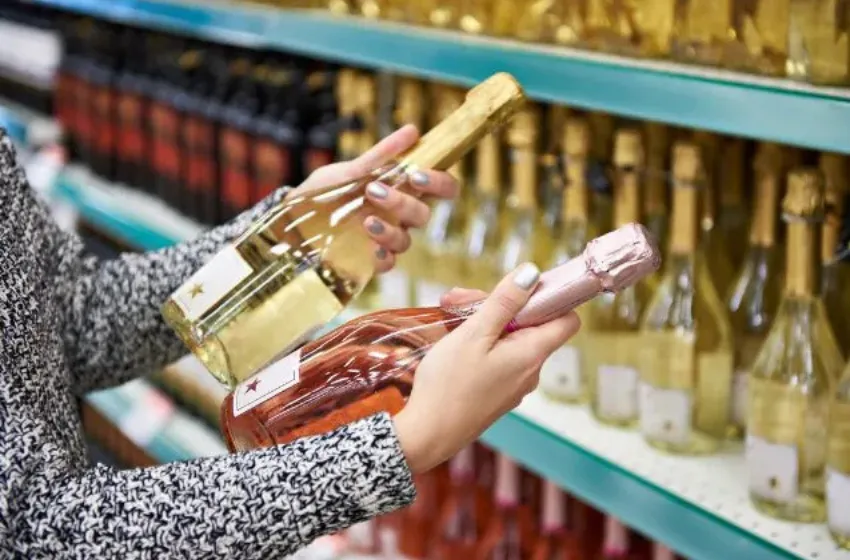
Alcohol consumption in New Zealand is on the decline, with the latest Liquor Report from Circana painting a clear picture of this trend. This report combines data from grocery store sales, liquor store statistics, alcohol production, and consumer surveys to give a comprehensive view of liquor trends and consumer behaviors in the country. But what does this mean for New Zealand’s alcohol sector, and what’s driving the shift in consumer preferences?
The Decline in Alcohol Sales
Across the retail landscape, declining sales are a common theme. Total retail sales dropped 5.2% per capita in the March 2024 quarter. Even food and beverage services saw declines, with volumes down 2.7% in the December quarter and 0.6% in March. But the most significant drop is observed in the alcohol sector.
Speciality liquor store sales volumes fell a staggering 16.1% in the December 2023 quarter, followed by a further 4% drop in March 2024. New Zealand alcohol manufacturers are reacting by producing less, with alcohol volumes available for consumption declining by 4.3% over the past year. Standard drinks available per person per day fell by 5.3%, marking the largest decline in 15 years. Spirits saw a year-on-year decline of 5.7%, while wine dropped by 2.4%. Beer also saw a decline of 4.4%, its most significant drop since 2012.
What’s Driving the Decline?
There are several factors contributing to this decline. One of the key influences is shifting consumer behavior. The grocery market shows alcohol sales have fallen by 1.8% in volume, and alcohol has now dropped to fifth place in terms of grocery department performance, behind non-alcoholic beverages. In 2020, alcohol spending was 27% higher than non-alcoholic beverages. However, over the past four years, beverages have seen a 34% growth, overtaking alcohol with a 7% larger market value.
According to the New Zealand Health Survey, the percentage of adult drinkers has fallen from 81.6% in 2019 to 76.3% in 2022 – a 5.3% decline. As more Kiwis opt to drink less or not at all, especially as a lifestyle choice, movements like Dry July are gaining traction, with 15% more people signing up compared to the previous year. At the same time, consumers are increasingly turning to healthier, non-alcoholic options, which, although still a small part of the overall alcohol market, have seen impressive growth of 37.5% compared to last year.
Bright Spots in the Alcohol Market
Despite the overall decline, there are opportunities within the market, particularly in certain alcohol categories. Wine, for instance, is still a $0.9 billion market in supermarkets, but has experienced declines in value, units, and volume. However, there are emerging trends within the wine sector. Varieties like Shiraz, Sweet Aromatics, Rosé, and Low & Light Alcohol wines have seen growth, and Prosecco, the sparkling wine category’s rising star, has seen a 17.5% increase in sales.
In the premium wine market, there is also significant growth. Brands like Robert Mondavi are capitalizing on the increasing popularity of bold, buttery Californian Chardonnays, while Italian Prosecco brands like Ruffino and Tipping Point are benefiting from a growing demand for more premium options.
The Beer Market: Adapting to New Trends
Beer has fared somewhat better than wine in the current market. While units have dropped by 4.3%, beer has seen an overall value increase of 4.2%. The real story here is the success of low-carb beers, which now account for 61% of the value growth in beer sales. Low-carb beers like Speight’s Summit Ultra and Steinlager Ultra Low Carb have gained substantial market share, with volume up by 18.6% in the last year. There is also an increasing demand for no-alcohol beer, which saw a 22.8% increase in sales.
Annemarie Browne, Marketing Director at Lion New Zealand, notes the growing popularity of low-carb and low-alcohol beers. “New Zealand’s no.1 beer is now a low-carb beer, and consumers are looking for balance – they want to socialize and enjoy alcohol in moderation,” she says.
How Can Alcohol Brands Adapt?
As the market continues to shift, alcohol brands need to adapt to these changing consumer preferences. The demand for healthier, low-alcohol, and non-alcoholic options is growing, and brands that cater to these needs are finding success. Innovation in product offerings, such as the introduction of low-carb beers and premium wines, is helping some alcohol brands stay relevant.
The trend towards drinking less, while still seeking quality, presents both challenges and opportunities for New Zealand alcohol suppliers. To thrive, they’ll need to work harder to identify and adapt to emerging trends, whether it’s the rising demand for premium wine, low-carb beers, or non-alcoholic beverages.
The Future of Alcohol Consumption in New Zealand
The future of alcohol consumption in New Zealand may look quite different than it has in the past. While total alcohol consumption is on the decline, there are still pockets of growth, particularly in low-alcohol, low-carb, and premium categories. With changing consumer attitudes and behaviors, the key to success in the New Zealand alcohol market will lie in innovation, adaptability, and a focus on healthier options.
As New Zealand’s alcohol sector continues to face pressure, it’s clear that the industry’s response to these shifts in consumer preferences will shape its future success. Brands that can navigate these changes, cater to evolving tastes, and offer healthier options are likely to see the most growth in the years to come.